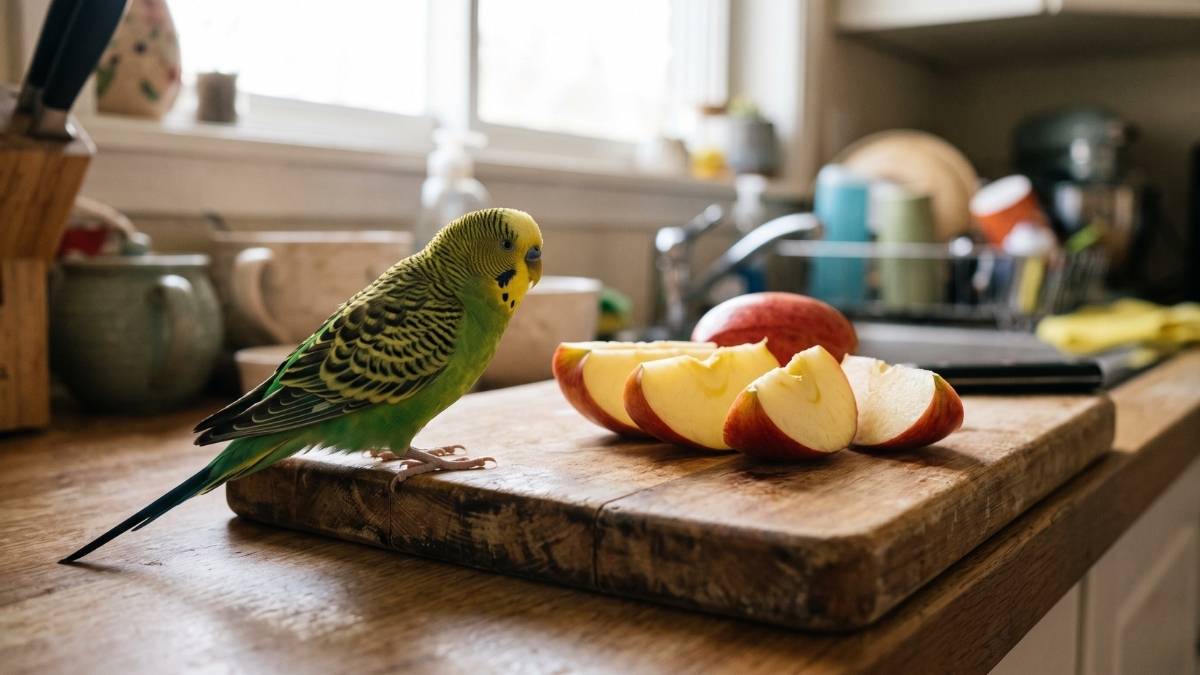
If you are wondering what foods are toxic to parakeets, the short answer is that several common kitchen items, including avocado, chocolate, and fruit seeds, can seriously harm a budgie even in small amounts. Parakeets weigh only about 30 to 40 grams, so a nibble that seems trivial to us can represent a significant dose for their body size.
Budgies are especially vulnerable for three reasons. Their small body mass means a toxin is concentrated quickly in the bloodstream. Their fast metabolism moves food through the digestive tract and into circulation rapidly, leaving little time for intervention. Their respiratory and digestive systems also differ from those of mammals, and birds often hide symptoms until a problem is advanced. Avian veterinary references, including guidance from the Association of Avian Veterinarians and companion bird toxicology resources, consistently recommend prevention over treatment for this reason.
The table below summarizes the highest-priority hazards covered in this guide.
Toxic Foods & Substances Quick Reference
| Food / Substance | Hazard Level | Primary Toxic Compound | Key Biological Risk |
| Avocado | High | Persin | Cardiac damage and fluid accumulation |
| Chocolate & Caffeine | High | Theobromine | Nervous system overstimulation and seizures |
| Apple Seeds & Stone Fruit Pits | Moderate to High | Cyanogenic glycosides | Cellular toxicity from released cyanide |
| Onions & Garlic | Moderate | Alliums | Heinz body hemolytic anemia |
| High-Sodium / Junk Foods | Moderate | Excess sodium | Salt toxicity and severe kidney strain |
Each of these is explained in detail in the sections that follow.
Top Kitchen Foods That Are Toxic to Parakeets
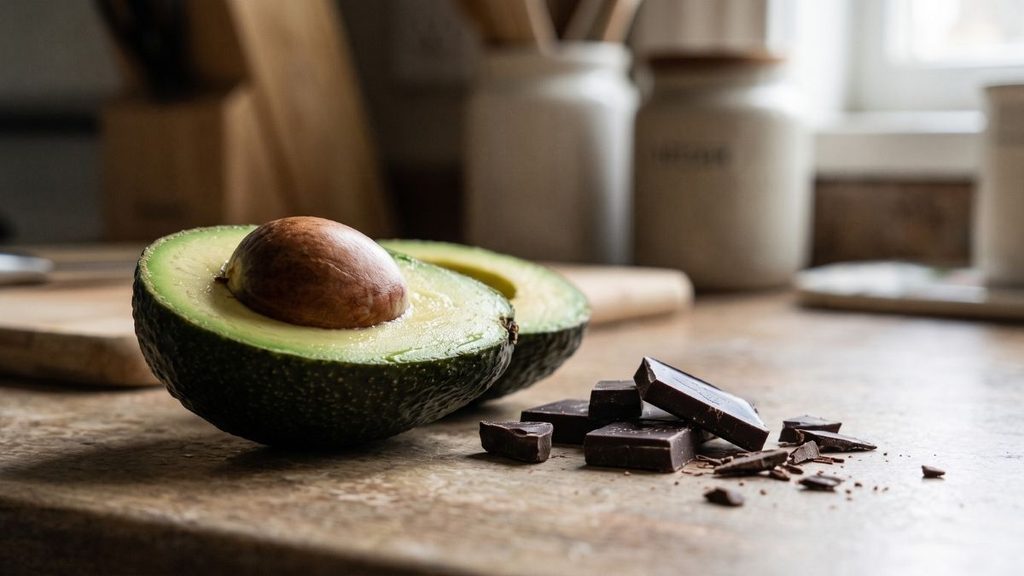
The items below are the ones avian veterinary references consistently list as never appropriate to offer, in any amount. This is the core of what foods are toxic to parakeets, and the answer applies equally to budgies of every age.
Avocado
Every part of the avocado, including the flesh, skin, and pit, should be kept away from your bird. Avocado contains persin, a fatty-acid derivative that has been associated with respiratory distress, fluid accumulation, and heart failure in birds. Sensitivity varies by species and avocado variety, but because parakeets are so small and there is no established safe amount, the only reliable rule is complete avoidance. This includes guacamole, which often adds onion and garlic as well.
Chocolate, Cocoa, and Caffeine
Chocolate and cocoa contain theobromine and caffeine, both methylxanthines. In birds they can cause a racing heart rate (tachycardia), hyperactivity, tremors, and seizures. Darker chocolate and baking cocoa carry higher concentrations, but even milk chocolate is unsuitable. The same caution covers coffee, tea, energy drinks, and caffeinated sodas. If you are asking whether parakeets can eat chocolate, the answer is no, regardless of how small the piece is.
Onions, Garlic, and Chives
These plants belong to the allium family, whose sulfur-containing compounds can damage red blood cells and cause Heinz body hemolytic anemia. Affected birds may become weak, pale, and lethargic. Raw, cooked, powdered, and dehydrated forms all carry risk, so check ingredient lists on seasoned foods and table scraps.
Alcohol and Fermented Foods
Alcohol is rapidly absorbed by a bird’s small body and can cause loss of coordination, depression of the nervous system, and organ damage. Fermented or spoiled foods, including moldy produce, can produce similar effects through alcohol or mycotoxins. Never offer beer, wine, or food that has begun to ferment, and clear away uneaten fresh food promptly.
Fruit Pits, Seeds, and Nightshade Hazards
Some of the most overlooked toxic foods for parakeets are hidden inside otherwise healthy produce. The flesh may be fine, while a seed, stem, or raw form carries the risk.
Apple Seeds, Pear Seeds, and Stone Fruit Pits
If you are asking whether apple seeds are toxic to budgies, the answer is yes, with a dose-related caveat. Apple and pear seeds, and the pits of cherries, peaches, plums, and apricots, contain amygdalin. When the seed is crushed or chewed, this compound can release cyanide. Because parakeets crack and hull seeds with their beaks, they are more likely to break them open than a bird that swallows food whole. Remove all seeds and pits before sharing fruit. For properly prepared options, see our guide on which fruits parakeets can eat, including seedless berries, melon, and deseeded apple slices.
Raw Rhubarb
Rhubarb is high in oxalic acid, which binds calcium and can contribute to kidney strain and calcium imbalance. The leaves are the most concentrated source, but raw stalks are also best avoided for such a small bird.
Green Potato Parts, Tomato Stems, and Eggplant Foliage
These belong to the nightshade family and contain solanine, a glycoalkaloid that can irritate the digestive tract and affect the nervous system. Sprouted or green-tinged potatoes, tomato stems and leaves, and eggplant foliage should never be offered. Ripe tomato flesh is generally considered acceptable in small amounts once the green parts are removed.
Uncooked Dried Beans
Raw or undercooked dried beans, particularly kidney beans, contain phytohaemagglutinin, a lectin that causes digestive upset and can be seriously harmful. Soaking alone does not neutralize it. Beans must be boiled thoroughly until fully soft. Sprouting reduces some anti-nutrients, but cooking sprouted beans is the more cautious approach, and canned beans often contain added salt that makes them unsuitable.
Non-Toxic but Harmful: Everyday Foods to Keep Away
Not every unsafe food acts like a poison. Some cause no immediate crisis but gradually undermine a budgie’s health when offered regularly. Avian veterinarians often see these dietary problems in birds fed from the family table.
Table Salt and Processed Snack Chips
Birds have limited tolerance for sodium. Excess salt disrupts fluid balance, triggers intense thirst, and can strain the kidneys, and in a bird this small, a few salty chips can be a meaningful dose. Skip chips, crackers, pretzels, and salted nuts, and avoid canned vegetables with added sodium.
Refined Sugars and Pastries
Sugary foods offer calories without nutrition and contribute to obesity and fatty liver disease. High sugar intake may also encourage yeast overgrowth in the digestive tract, including crop candidiasis, particularly in birds already stressed or on long antibiotic courses. Cookies, cake, candy, and sweetened cereals do not belong in the cage.
Milk, Cheese, and Dairy Products
Adult birds lack meaningful lactase activity, so lactose is poorly digested. Dairy can cause loose droppings and digestive upset. Small amounts of plain yogurt are sometimes mentioned in avian feeding references, but dairy is not a necessary part of a parakeet’s diet, so most keepers are better off avoiding it.
High-Fat Processed Foods and Fatty Seeds
Fried foods, fast food, and fatty table scraps can contribute to obesity and liver disease. Seed-heavy diets carry a similar risk, especially when dominated by fatty seeds such as sunflower or niger. Treat these as occasional extras rather than staples.
What to Offer Instead
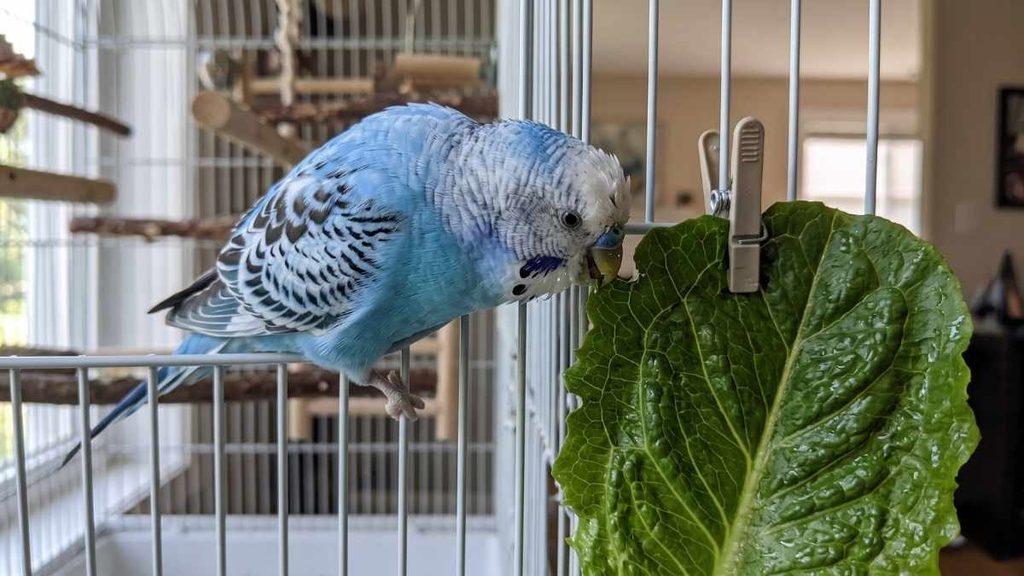
Replace table scraps with fresh produce. Leafy greens such as kale, romaine, and carrot tops provide vitamins and fiber without the downsides above. Our guide to safe vegetables for parakeets covers daily options and preparation tips.
What to Do If Your Budgie Ingests Something Unsafe
If you suspect your parakeet has eaten something on the toxic list, acting calmly and quickly matters more than waiting to see whether symptoms appear. Birds often mask illness, so a bird that looks normal can still be affected.
Immediate Steps
- Do not try to induce vomiting: Home remedies of this kind can cause aspiration or fatal choking in birds, and no safe at-home method exists. Do not give milk, oils, charcoal, or any other substance unless an avian veterinarian instructs you to.
- Remove remaining food immediately: Clear away food remnants from the cage, including any scraps your bird may still be reaching for, and move your bird to a quiet, warm spot.
- Gather the details: Note what was eaten, roughly how much, and when. Keep the packaging or a sample of the food, since ingredient lists and concentrations help the veterinarian assess risk.
- Call for guidance promptly: Contact an avian veterinarian or an animal poison control hotline right away, even if your budgie seems fine. Many clinics will advise by phone whether to come in immediately. Poison control services may charge a consultation fee, and having your bird’s approximate weight ready speeds up the call.
Watch for Changes While You Arrange Care
Keep your bird in view and note any sudden shifts. Warning signs include lethargy, fluffed feathers, tail bobbing, vomiting or regurgitation, weakness, loss of balance, or labored breathing. Our guide on how to tell if a parakeet is sick explains these signals in more detail and when they call for urgent veterinary care.
Companion bird toxicology references and the Association of Avian Veterinarians both emphasize that early professional assessment improves outcomes, so do not wait for symptoms to worsen before calling.
Sources & Veterinary References
- Association of Avian Veterinarians (AAV): Basic Care for Companion Birds
- Pet Poison Helpline: Poison List
Conclusion & Educational Disclaimer
Knowing what foods are toxic to parakeets is the first step toward a safe, long-lived companion. The most reliable protection is a consistent diet built on verified safe foods: fresh leafy greens and vegetables daily, a measured portion of quality seed or pellet staples, and seed-free fruits as occasional treats. When a food is uncertain, leave it out and check a trusted source first.
Educational Disclaimer: This article offers pet husbandry and dietary guidance only. It is not a substitute for emergency veterinary toxicology diagnosis or treatment. If you suspect your bird has eaten something unsafe, contact an avian veterinarian or animal poison control service immediately.