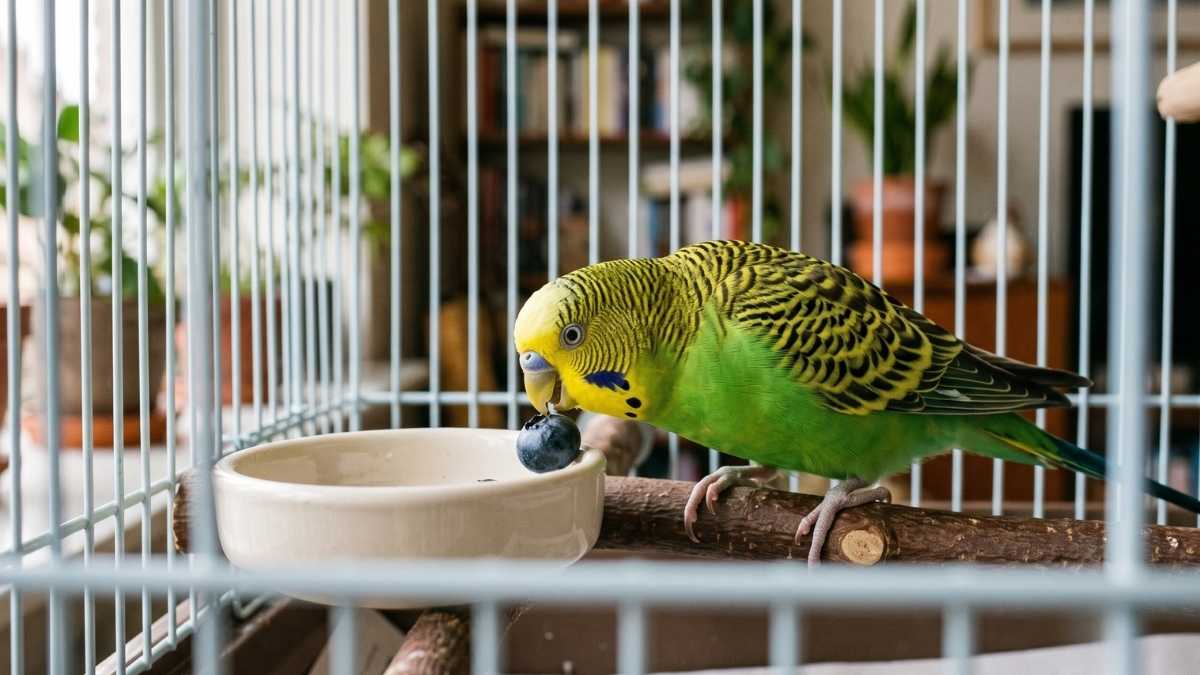
If you are wondering what fruits can parakeets eat, the short answer is that many fruits are safe in small amounts. However, fruit should be an occasional addition to your budgie’s diet, not a main meal. Fresh fruit adds variety, moisture, and opportunities for exploration, but it cannot replace the balanced nutrition your bird needs every day.
Wild budgies are native to Australia, where they mainly feed on grass seeds and other plant foods. Pet budgies can enjoy a wider variety of foods, including fruit, but sugary treats should not displace their regular diet. Offering too much fruit may encourage selective eating and reduce the amount of nutritionally balanced food your bird consumes.
A balanced diet should provide the foundation for your budgie’s nutrition. Depending on your bird’s needs, this may include quality formulated pellets, an appropriate amount of seed, and fresh vegetables. Fruit should make up only a small part of the overall diet. If you haven’t established that baseline yet, our What Do Parakeets Eat? Complete Diet Guide explains how to balance pellets, seeds, and fresh foods.
What Is the Healthiest Fruit for Budgies? (Top Safe Choices)
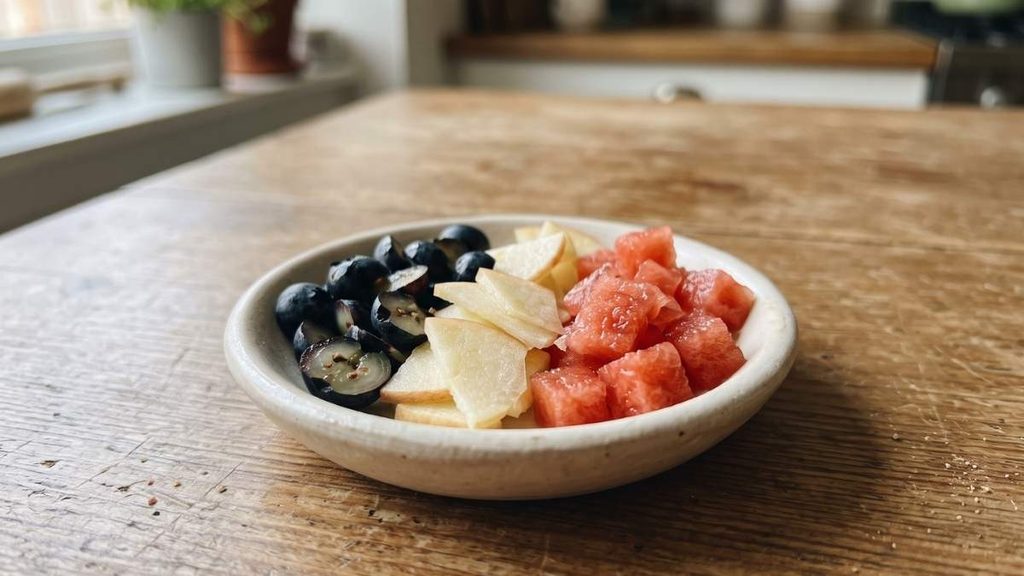
Several fruits can be suitable treats for budgies. Berries are good options because they provide variety and nutrients, and they can be served in small, manageable portions. Blueberries, strawberries, blackberries, and raspberries are all options when washed thoroughly before serving.
Other Safe, Nutritious Choices
Apples. Can budgies eat apples? Yes, the flesh is suitable in small amounts. Remove the core and all seeds before serving because apple seeds contain compounds that can release cyanide when chewed or crushed. Wash the apple thoroughly under running water, and cut the flesh into small, manageable pieces.
Bananas. Can parakeets eat bananas? Yes, in small amounts. Bananas provide potassium and have a soft texture that many birds can eat easily. Because they are relatively sweet and can be sticky, offer a small piece and remove leftovers promptly.
Melons. Watermelon and cantaloupe can provide variety and moisture. Remove the rind and seeds, then cut the flesh into small pieces that your budgie can handle comfortably.
Papaya and mango. Budgies can eat small amounts of ripe papaya and mango flesh. Remove the skin and pit, and cut the fruit into small pieces. These fruits provide nutrients, including vitamin A or its precursors, depending on the fruit.
Quick-Reference Fruit Table
| Fruit Name | Nutritional Benefit | Preparation Tip |
| Blueberries | Antioxidants and gentle nutrients | Offer whole or halved; wash thoroughly under clean water |
| Strawberries | Vitamin C and hydration | Wash thoroughly and slice into small, beak-friendly pieces |
| Blackberries | Dietary fiber and antioxidants | Wash well; cut larger berries in half |
| Raspberries | Fiber and natural micronutrients | Wash carefully; serve a small portion |
| Apple | Dietary fiber, hydration, and crunch | Flesh only; strictly remove core and seeds; wash well |
| Banana | Potassium and easy carbohydrates | Offer a thin slice; remove sticky leftovers quickly |
| Watermelon | High moisture and hydration | Remove rind and all black seeds; cut into tiny cubes |
| Cantaloupe | Natural Vitamin A and hydration | Remove rind and seeds; serve in small cubes |
| Papaya | Vitamin A and digestive nutrients | Serve ripe flesh only; remove skin and all black seeds |
| Mango | Vitamin A and immune support | Remove skin and pit; serve diced flesh only |
Fresh fruit spoils quickly, particularly in warm conditions. Remove uneaten pieces promptly—ideally within one to two hours, and sooner in hot weather. Clean the dish after feeding to reduce the risk of bacterial growth.
Fruits vs. Vegetables: Why Portion Control Matters
How often should parakeets eat fruit? There is no single frequency or portion size that suits every budgie. Offer fruit in small amounts, occasionally, and adjust it to your bird’s overall diet. Avoid letting fruit replace the foods that provide most of its daily nutrition.
Vegetables are useful choices for regular fresh-food variety. Leafy greens such as romaine lettuce, dandelion greens, and cilantro, along with vegetables such as bell pepper and shredded carrot, can supply important vitamins, minerals, and fiber. Wash produce thoroughly and introduce new foods gradually.
Our guide to What Vegetables Can Parakeets Eat? Safe Greens & Serving Tips covers suitable vegetables and how to prepare them.
Risks of Overfeeding Fruit
Fruit can be part of a balanced diet, but too much may cause problems:
- Changes in droppings. Fruit contains considerable water, and eating it may temporarily increase the moisture in droppings. Persistent or pronounced changes should not automatically be blamed on fruit and warrant advice from an avian veterinarian.
- Unbalanced nutrition. If a budgie fills up on fruit instead of its regular balanced food, it may not receive the nutrients it needs.
- Weight concerns. Frequent, excessive treats can contribute to an unbalanced calorie intake, particularly when combined with limited activity.
- Selective eating. Some budgies prefer sweet, familiar foods and may become reluctant to try pellets or vegetables if treats are offered too freely.
If your bird’s droppings change after eating fruit, consider the timing and amount offered. Contact an avian veterinarian if the changes persist or occur alongside lethargy, reduced appetite, or other signs of illness.
What Fruit Can Parakeets Not Eat? (Toxic Hazards & Pits)
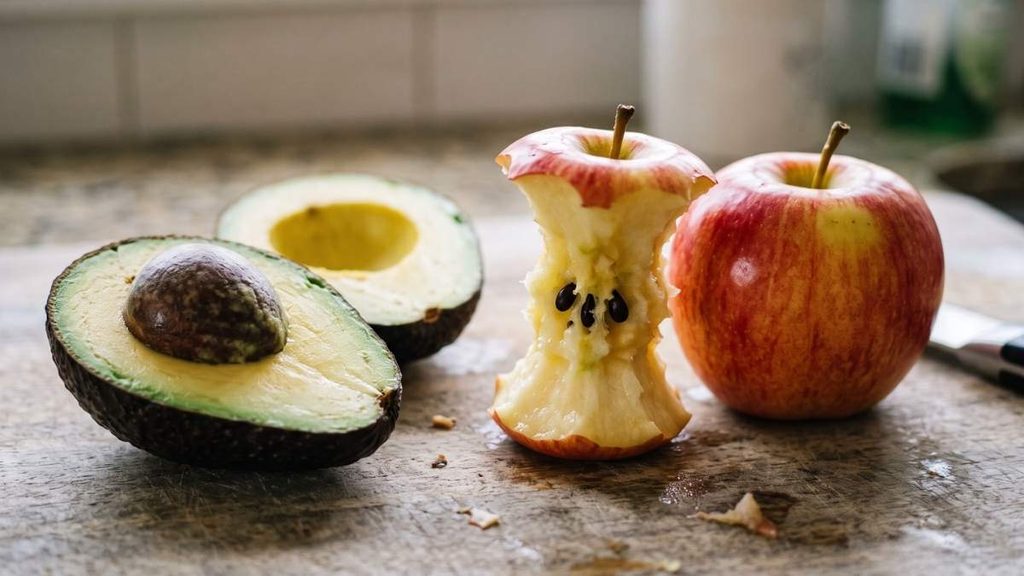
What fruit can parakeets not eat? Some foods pose serious risks to birds and should be avoided. Because budgies are small, do not assume that a small quantity of a potentially toxic food is harmless.
Absolute Red Flags
- Avocado. Do not feed avocado to budgies. It contains persin, a substance associated with serious and potentially fatal effects in birds. Avoid the flesh, skin, pit, guacamole, and foods containing avocado.
- Fruit pits and certain seeds. Never offer pits from cherries, peaches, plums, or apricots. Apple and pear seeds should also be removed because they contain cyanogenic compounds that can release cyanide. Serve only properly prepared fruit flesh.
- Rhubarb. Avoid feeding rhubarb to budgies. It contains oxalates, and its leaves are particularly hazardous.
- Fruit packed in syrup or with added ingredients. Avoid fruit with added sugar, syrup, salt, or unsuitable preservatives. Fresh, thoroughly washed fruit is generally the simplest choice for an occasional treat.
If You Suspect Toxic Exposure
Possible warning signs include sudden lethargy, a fluffed-up posture, regurgitation, unusual droppings, labored breathing, or loss of balance. These signs can have different causes, but suspected exposure to a toxic food requires urgent veterinary advice.
Remove the remaining food, note what your bird ate and approximately how much, and contact an avian veterinarian or an appropriate animal poison-control service immediately. Do not wait for symptoms to appear before seeking help after a known potentially toxic exposure.
Our guide on How to Tell If a Parakeet Is Sick: Budgie Signs & 3-3-3 Rule can help you learn to recognize possible warning signs, but it does not replace veterinary assessment.
How to Safely Prepare and Serve Fruit to Your Budgie
A few simple habits can help make fruit time safer and keep the cage clean.
Your Fruit-Serving Checklist
- Wash the fruit thoroughly. Rinse fruit under running water before cutting, even if you plan to peel it. Washing helps remove surface dirt and some residues, although it cannot eliminate every pesticide or contaminant. Peeling is optional for many fruits, provided they are suitable and properly prepared.
- Cut it into manageable pieces. Offer small pieces or thin slices that your budgie can nibble comfortably. Smaller pieces also make it easier to offer a modest portion without overwhelming the bird’s usual food.
- Remove leftovers promptly. Fresh fruit spoils at room temperature, especially in warm weather. Remove uneaten pieces ideally within one to two hours, sooner when it is hot, and check the cage for food tucked into corners or toys.
- Use a clean, shallow dish. Serve fruit in a clean dish rather than mixing it into the seed container. Position the dish where droppings and cage debris are less likely to contaminate the food, and wash it with hot, soapy water after use.
These simple habits help keep fruit as an occasional source of variety rather than a replacement for balanced daily nutrition.
Conclusion & Educational Disclaimer
Many fruits, including blueberries, apple flesh, and melon, can be offered to budgies in small amounts. The key is moderation: keep fruit as a small part of the overall diet, offer a variety of suitable vegetables, provide balanced daily nutrition, and avoid hazardous foods such as avocado and fruit pits.
Educational Disclaimer: This article provides general educational information about feeding parakeets and is not a medical prescription or a substitute for veterinary care. Every bird has individual nutritional needs. Consult a qualified avian veterinarian for advice about your budgie’s diet, health, or suspected exposure to a toxic food.