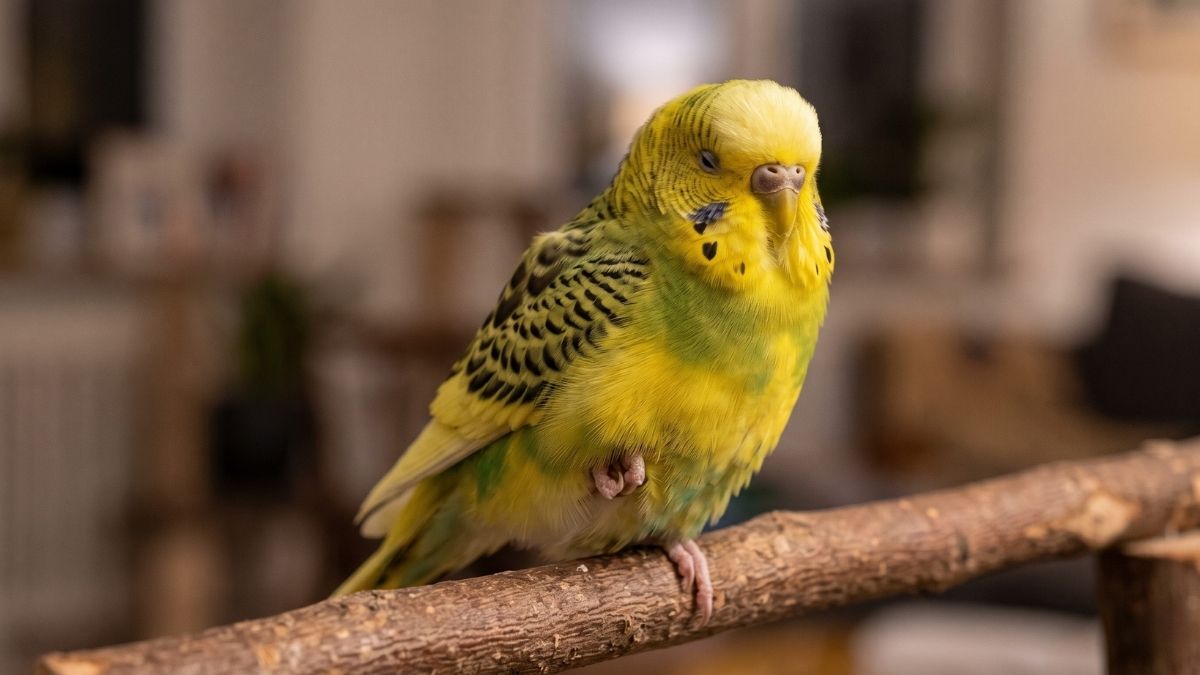
Why is my budgie making clicking noises is a question with a reassuring answer most of the time, but only if you can tell which part of the body the sound is coming from. Clicking can come from two completely different systems, and they call for very different responses.
Two Systems, Two Very Different Sounds
- The beak and jaw: Budgies click, grind, and chatter their beaks as part of normal behavior. A soft, gentle budgie beak grinding sound is a sign of contentment, a lot like a cat’s purr. It usually happens while a bird is relaxed, preening, or settling down to sleep. Avian behavior literature consistently treats this as a healthy sign of a comfortable bird.
- The lungs and air sacs: Birds breathe differently from mammals. Their respiratory system includes air sacs that extend through the body, and a bird with congestion, inflammation, or air sac mites can produce a budgie clicking noise when breathing. Guidelines from the Association of Avian Veterinarians stress that respiratory signs in small birds should be taken seriously, because budgies tend to hide illness until they are quite unwell.
Quick Comparison
- Relaxed beak grinding: A soft, irregular, rasping sound, usually heard in the evening or before sleep, while the bird is fluffed, calm, and eyes half-closed.
- Respiratory clicking: A rhythmic click that matches every breath, often with an open beak, effort in the chest, or a tail that moves with each inhale.
- Context: Grinding comes and goes with the bird’s mood and settles on its own. Breath-timed clicking persists, even at rest, and may get worse over hours or days.
Clicking Sounds Diagnostic Matrix
| Sound Type | Source | Sound Characteristics | Posture & Body Language | Meaning / Urgency Level |
| Beak Grinding | Jaw / Beak Mandibles | Soft, rasping, irregular “crunch-crunch” | Fluffed cheeks, one foot tucked, sleepy eyes | Complete contentment; routine beak care |
| Tongue Clicking | Mouth / Muscular Tongue | Sharp, dry, intermittent single “ticking” | Alert, curious, exploring toys or cage | Behavioral curiosity, play, mimicry |
| Territorial Snap | Beak Tip Closure | Sharp, sudden, loud snap | Sleeked feathers, leaning forward defensively | Boundary warning; back away |
| Respiratory Click | Air Sacs / Lungs / Syrinx | Faint, rhythmic “tick” in time with breath | Tail pumping, open beak, fluffed lethargy | Urgent concern: Infection, mites, or toxins |
Happy Beak Grinding: The Sound of a Relaxed Budgie
If you have ever heard a soft, rasping crunch coming from a drowsy budgie at dusk, you have heard one of the most reassuring sounds in companion bird life. Understanding the mechanics behind it makes it much easier to recognize and trust.
How the Sound Is Made
A budgie’s beak is built from two parts that work together. The upper beak is the longer, fixed-looking portion, while the lower mandible is the smaller, mobile portion that slides against it. During grinding, the bird scrapes the lower mandible back and forth across the underside of the upper beak. Because both surfaces are hard keratin, the movement produces a crunching, ratcheting, or soft clicking sound. The rhythm is usually irregular, with short bursts and pauses, which is one of the clearest ways to tell it apart from breath-timed sounds.
Why Budgies Do It
Keratin grows continuously throughout a bird’s life, and normal use keeps it in proper shape. Grinding works as routine maintenance: it smooths and conditions the beak surfaces and helps keep the edges aligned. Avian veterinary references describe this as normal comfort behavior, and it often appears when a bird is winding down after a day of chewing, foraging, and preening.
Body Language That Confirms Calm
The sound itself is only half the picture. Look for these companion signs:
- Fluffed facial feathers: Soft, puffed feathers around the cheeks and head, with a relaxed, rounded look.
- One-leg perching: Standing on one foot with the other tucked into the belly feathers is a classic sign of a bird that feels secure.
- Half-closed or slowly blinking eyes: The bird looks sleepy, not glazed or strained.
- Normal breathing: The tail stays still and the beak is closed.
You will most often hear grinding in the evening before bedtime, though it can also accompany a midday nap. When the sound arrives alongside these signs, there is nothing to treat. Simply let your budgie settle.
Clicking When Breathing: Respiratory Infections and Air Sac Mites
A budgie clicking noise when breathing is the clinical red flag in this guide. Unlike the irregular, mood-driven sound of beak grinding, respiratory clicking is synchronized with the breath itself, appearing on the inhale, the exhale, or both. You may also hear squeaking, wheezing, or a faint “tick” that repeats with each cycle and continues while the bird is resting. If you are still asking why is my budgie making clicking noises and the sound tracks every breath, treat it as a medical concern.
Recognizing the Pattern
Watch the bird in a quiet room. Respiratory distress often shows as an open beak, visible chest effort, and a tail that pumps with each breath. This rhythmic movement is covered in detail in our guide on why a budgie is tail bobbing, and the two signs together point strongly toward labored breathing.
Underlying Medical Causes
- Air sac mites (Sternostoma tracheacolum): These microscopic parasites live in the trachea, syrinx, lungs, and air sacs. Budgies are a classic host, and the narrowing of the airway can produce clicking, wheezing, and voice changes. Avian veterinary texts list air sac mites among the better-known causes of clicking in small passerines and psittacines.
- Aspergillosis: This fungal infection of the lower respiratory tract tends to follow stress, poor ventilation, or moldy bedding and food. It can progress quietly and is difficult to treat once advanced.
- Bacterial sinus and airway infections: Swollen sinuses or mucus in the airway can produce wet, clicking, or squeaky breathing.
- Inhaled irritants: Smoke, aerosols, and fumes can inflame the airway and mimic infection.
What to Do Next
Do not wait to see whether it resolves. Budgies mask illness instinctively, so audible breathing often means the problem is already established. Check for other warning signs, such as nasal discharge, fluffed posture, and crusting around the cere, using our checklist on how to tell if a parakeet is sick. Then arrange an exam with an avian veterinarian, who can confirm the cause and treat it accordingly.
Tongue Clicking and Intentional Beak Snapping
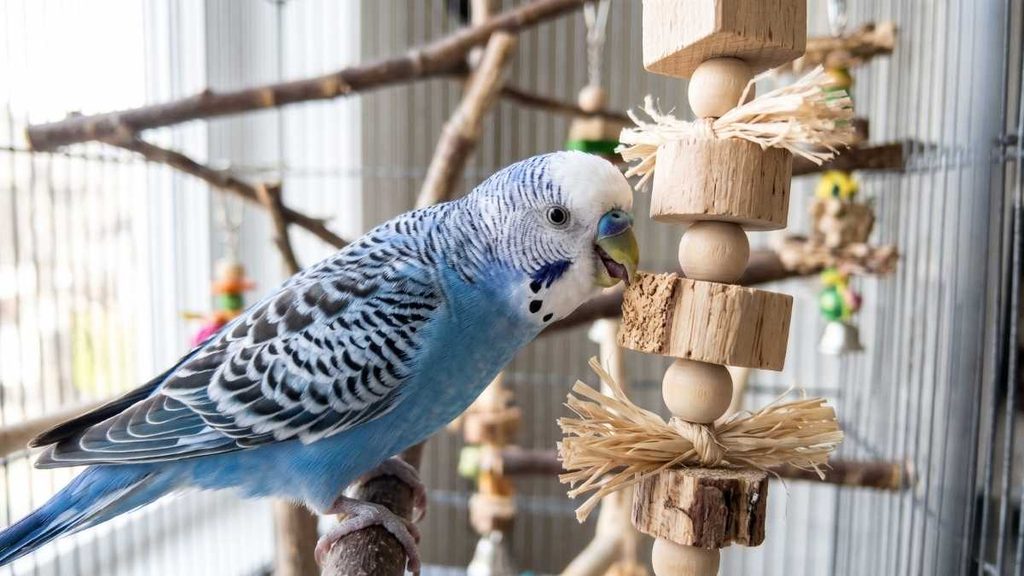
Not every click is a symptom. Budgies are expressive, curious birds, and many of the sounds they make on purpose come from the mouth rather than the airway. Learning these behavioral clicks helps you rule them out quickly when you are working out why your budgie is making clicking noises.
Tongue Clicking
A budgie’s tongue is thick, muscular, and surprisingly dexterous. Many birds produce a dry, crisp tick by flicking the tongue against the roof of the mouth. You will often hear it when a bird is investigating a new toy, mouthing a perch, or exploring an unfamiliar object. Some budgies also click while “talking” to themselves or to a mirror. These sounds are deliberate and tied to activity, and they stop as soon as the bird loses interest.
Alert Beak Tapping
Budgies commonly tap the beak against a perch, cage bar, or toy to test texture, get attention, or announce curiosity. The taps are sharp, spaced, and clearly external. Your bird will look bright and engaged, with a smooth body outline and normal, quiet breathing.
Mild Territorial Snapping
A quick beak snap can serve as a polite warning, especially when a hand approaches a favorite toy, a nest-like hideaway, or a food bowl. Typical signs include:
- A single sharp snap or short burst, followed by calm.
- Feathers held sleek against the body, or a lean toward the intruder.
- Complete normalcy once the hand backs away.
Hormonal seasons can make this more frequent. Respect the signal by giving the bird space rather than pushing through it.
The Key Distinction
Behavioral clicks are situational. They follow a trigger, vary in rhythm, and disappear when the trigger does. Respiratory clicking is the opposite: it continues without any trigger and keeps time with each breath.
Protecting Sensitive Avian Lungs and Veterinary Care
Once you have ruled out harmless sounds, the next step is protecting the airway that produces the worrying ones. Avian respiratory physiology is remarkably efficient, but that efficiency has a cost: air passes through the lungs and into thin-walled air sacs, giving airborne particles and fumes very direct access to delicate tissue. Avian veterinary references consistently describe budgies and other small psittacines as highly vulnerable to inhaled toxins.
Common Household Irritants
- Non-stick cookware fumes: Overheated PTFE-coated pans can release fumes that are rapidly dangerous to birds, sometimes fatally, even at distances where people notice nothing.
- Scented candles, plug-in fresheners, and incense: Fragrance particles and combustion byproducts inflame the airway.
- Cigarette and vape smoke: Residue also settles on feathers and surfaces, so exposure continues after the smoking stops.
- Aerosol sprays: Hairspray, cleaning sprays, and deodorants should never be used in the bird’s room.
Cage Placement Matters
Kitchens, bathrooms, and drafty windows are poor locations for a cage. Our guide on where to put a budgie cage explains how to choose a quiet, well-ventilated spot away from fumes, dust, and temperature swings.
Triage Checklist: When to Seek Immediate Care
| Clinical Sign Observed | Risk Level | Recommended Next Step |
| Breath-Timed Clicking at Rest | High | Contact avian veterinarian for exam and airway swab |
| Rhythmic Tail Pumping (Bobbing) | High | Immediate veterinary assessment for respiratory distress |
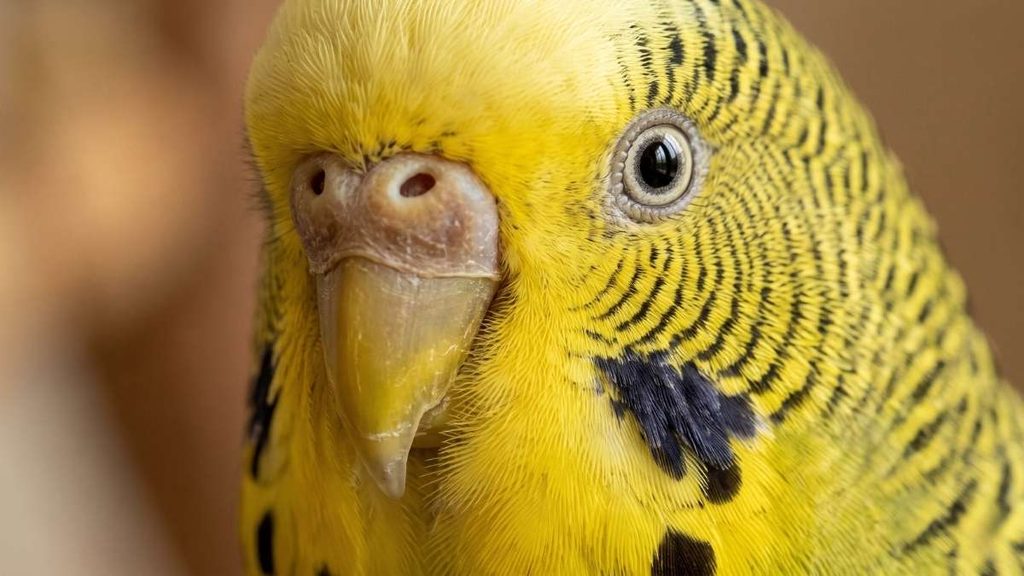
| Wet, Mucus-Crusted Cere / Nares | Moderate–High | Diagnostic testing for bacterial sinus infection |
| Sitting Weak on Cage Floor | Critical Emergency | Place in warm, low-stress carrier; go to avian clinic immediately |
| Irregular Grinding While Sleepy | Normal / Safe | Routine contentment behavior; no intervention needed |
While arranging care, keep the bird warm, quiet, and away from any suspected irritant. Do not delay for home remedies, since respiratory decline in small birds can progress within hours.
Sources & Veterinary References
- VCA Animal Hospitals: Recognizing the Signs of Illness in Pet Birds
- Merck Veterinary Manual: Lung and Airway Disorders of Pet Birds
Final Thoughts: Know the Sound, Know the Response
Soft, irregular beak grinding at bedtime is music to a keeper’s ears. It means your budgie feels safe, relaxed, and ready to sleep. Clicking that keeps time with each breath, especially alongside tail pumping, an open beak, or a fluffed, withdrawn posture, is a different message and calls for prompt veterinary care. Listen closely, watch the whole bird, and act early.
For help finding a qualified clinician, the Association of Avian Veterinarians maintains a directory of avian-focused practitioners.
Educational Disclaimer: This article is for general informational purposes only and does not replace examination, diagnosis, or treatment by a licensed avian veterinarian. If your bird shows signs of distress, contact a veterinarian immediately.